
Gulf leaders press Trump in New York as Iran war widens
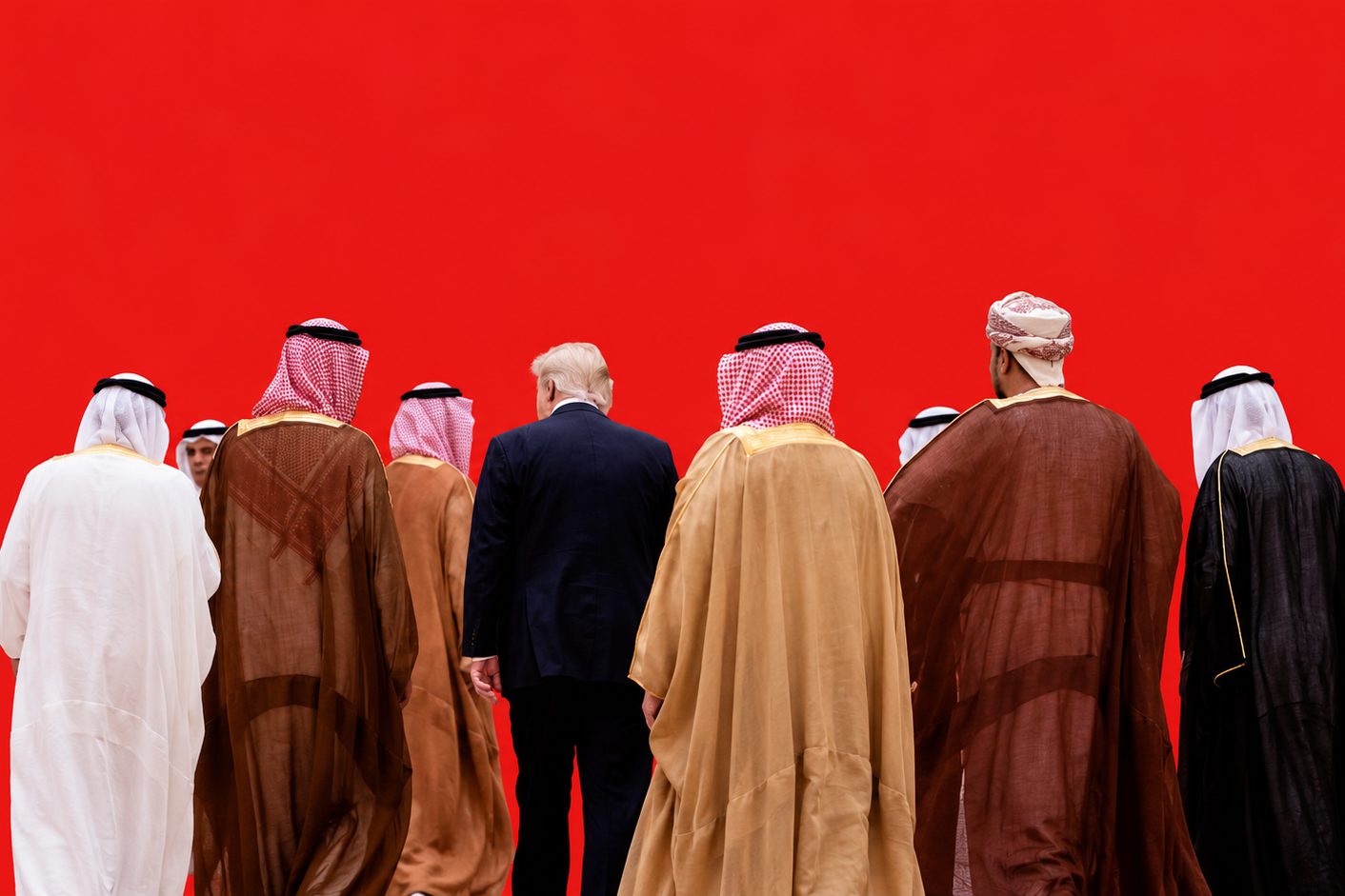
Gulf leaders meet Trump in New York Tuesday as he weighs escalating the Iran war.
Summary
- Gulf leaders meet Trump in New York Tuesday as he weighs escalating the Iran war.
- In August, Saudi Arabia, the UAE and Qatar persuaded Trump to call off a major strike.
- Their bet is failing: no deal, high oil prices, and Pentagon talk of troop drawdowns.
The latest
Saudi, Emirati and Qatari leaders arrive in New York on Tuesday carrying two competing anxieties into a meeting with Donald Trump: a wider war with Iran, and an American security umbrella they fear is folding. Trump told Axios last Thursday he faces a big decision on the war and wants to hear the Gulf position directly. Their task is to secure protection without being pulled deeper in.
Details
- The precedent: Trump said in early August he called off a major attack on Iran at the request of Saudi Arabia, the UAE and Qatar, whose leaders believed a deal with Tehran was within reach. More than a month later no deal has emerged, oil prices remain high, and US midterm elections are weeks away.
- The Saudi front: Riyadh faces what CNN described as possibly its most far-reaching security threat since the 1991 Gulf War. Yemen's Iran-backed Houthis have struck Saudi oil facilities and declared a blockade on shipping to and from Saudi Red Sea ports, while Iran-backed militias in Iraq have been accused of hitting the East-West pipeline.
- Trump's refusal: When Crown Prince Mohammed bin Salman asked Trump to strike the Houthis, the president declined, CNN reported. The refusal came less than a year after Washington signed a defense agreement with Riyadh and designated Saudi Arabia a major non-NATO ally. US intelligence and targeting support for Saudi forces continues.
- The drawdown: Senior Pentagon officials have privately pushed to scale back US troop levels in several Gulf countries, shifting more of the defense burden onto regional partners, three sources familiar with the discussions told CNN. The Wall Street Journal reported in late June that reductions in Kuwait and Saudi Arabia were under consideration.
- Riyadh's objection: An official familiar with Saudi thinking told CNN this is not the time for such conversations at all, and said the message has been passed to the Trump administration. The same official argued that headlines about a US withdrawal from Kuwait serve Tehran's interests, adding the Gulf Cooperation Council is working to project a united front.
- Trump's own doubts: Two weeks into the war, Trump questioned why Washington should shoulder so much of the cost of protecting Gulf energy routes as Iran retaliated against Gulf states for US and Israeli strikes. In March he said a case could be made that the US should not be in the Gulf at all.
- Tehran's argument: Iran has long cast US bases in the Gulf as a threat on its doorstep and has repeatedly demanded their closure during the war. Supreme Leader Mojtaba Khamenei said in a March statement that American claims of providing security and peace had been nothing more than a lie, and that the bases made Gulf states targets.
- The Emirati track: The UAE has increased engagement with Iran, and the two sides agreed on the need to turn the page, according to Anwar Gargash, diplomatic adviser to the Emirati president. Gargash warned that rebuilding trust could take decades and said dialogue must be paired with deterrence.
- The mediator's read: Qatari Foreign Ministry spokesman Majid al-Ansari cast doubt at an Abu Dhabi conference this month on the prospects for an agreement, assessing that Iran can withstand a long war and that both sides may see more to gain by waiting. He offered a million dollars of his own money to anyone who could define the desired outcome.
- The advice: Bader al-Saif of Kuwait University told CNN that Gulf leaders will only persuade Trump if they speak with one united voice and bring very specific asks. He suggested starting narrower than a sweeping peace deal: freedom of navigation through the Strait of Hormuz, possibly traded against limited relief on Iranian oil sales.
Background
The bargain now under strain took shape after the 1991 Gulf War: Gulf states host American forces and buy US weapons, counting on Washington to deter threats. Qatar, Bahrain and Kuwait are absorbing major trade disruption from the closure of the Strait of Hormuz.
Between the lines
Trump's refusal to hit the Houthis after designating Riyadh a major non-NATO ally, and the Pentagon's drawdown push while attacks spread, point the same direction. Al-Saif reads the war as a test case: three decades of a US-led order are over, though he expects a different relationship rather than an American exit.
What's next
Tuesday's New York meeting is the immediate marker: whether Gulf leaders arrive with a single unified position and specific asks, and whether Trump signals escalation or a diplomatic off-ramp on Iran afterward.
Source: CNN, Axios, The Wall Street Journal